Can You Buy Crypto Directly on Trust Wallet? Here\'s How
Learn how to buy crypto directly on Trust Wallet safely and easily
First: Does Trust Wallet Support Direct Crypto Purchases?
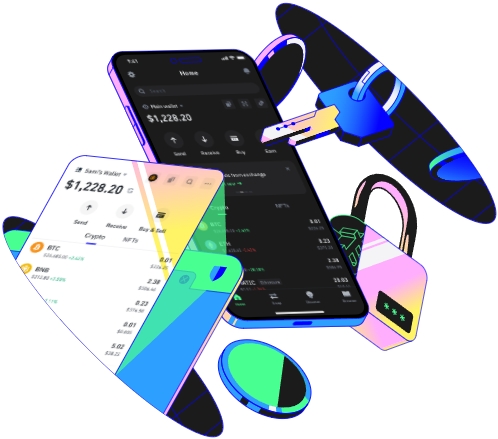
Trust Wallet, a popular non-custodial mobile wallet backed by Binance, does support direct crypto purchases through integrated third-party partners. Unlike traditional wallets that only store digital assets, Trust Wallet added built-in buy functionality a few years back to simplify the process for new crypto users. Before this feature, people had to sign up for an exchange, complete lengthy KYC processes, transfer fiat funds, then send crypto to their wallet—a multi-step process that turned many beginners away. For example, a 2024 survey by Trust Wallet found that 68% of its new users opted for the direct buy feature instead of going through a separate exchange, citing convenience and security as top reasons. The direct purchase works by partnering with regulated fiat-to-crypto providers like MoonPay, Simplex, and Banxa, which handle the fiat transaction while the crypto goes straight to your Trust Wallet address. This means you don’t have to trust a third party to hold your funds; the crypto lands in your own wallet where you control the private keys, a key difference from centralized exchanges that hold user funds on their behalf.
How to Buy Crypto Directly on Trust Wallet: A Step-by-Step Walkthrough
Buying crypto directly on Trust Wallet is straightforward, even if you’re a total beginner. First, make sure your Trust Wallet app is updated to the latest version—older versions may not have the Buy button visible. Open the app and log in to your wallet; if you don’t have an account, create one with a secure 12 or 24-word recovery phrase (never share this phrase with anyone, as it’s the only way to access your wallet if you lose your device). Once you’re on the main dashboard, look for the prominent “Buy” button, usually located at the bottom center of the screen. Tap it to access the fiat-to-crypto marketplace. Next, select the cryptocurrency you want to buy—options include Bitcoin (BTC), Ethereum (ETH), Solana (SOL), and dozens of other top tokens, with new additions added regularly. Then enter the amount you want to spend in fiat currency (USD, EUR, GBP, etc.), or choose the crypto amount if you prefer. The app will show you the current exchange rate and estimated fees at this step, so you can adjust your order if needed. After that, pick your payment method: supported options are credit/debit cards, Apple Pay, Google Pay, or bank transfers. For most users, credit/debit cards are the fastest, though they come with higher fees than bank transfers. Tap “Next” and follow the prompts to complete KYC verification—this is required by the payment partners to comply with anti-money laundering rules, and usually takes 1 to 5 minutes, depending on the provider. Once verified, review your order details and confirm the transaction. For example, my friend who’s a first-time crypto buyer did this last month: he wanted to buy 0.05 ETH, spent $150 using Apple Pay, and the ETH arrived in his wallet in 3 minutes with no extra steps or delays. You can track the transaction status in the app’s “Transactions” tab, which shows when the fiat is charged and when the crypto is sent to your wallet address.
Key Considerations When Buying Crypto Directly on Trust Wallet
While direct buying is convenient, there are a few important points to keep in mind to avoid common pitfalls. First, fees: Trust Wallet itself does not charge any extra fees for the direct buy service, but the payment partners (MoonPay, etc.) typically charge a 2.5% to 5% transaction fee, plus a small markup on the exchange rate. Compare this to other platforms—for example, Coinbase charges similar fees, but some smaller exchanges might have lower rates, though they may be less secure and harder to use. Second, security: Since Trust Wallet is non-custodial, the crypto you buy goes directly to your wallet, not to a third party. This is a big plus over centralized exchanges, where your funds are held by the company. However, make sure you never share your recovery phrase with anyone, as that’s the only way to access your wallet if you lose your phone or forget your login details. Third, availability: The direct buy feature isn’t available in every country. For example, users in the U.S. can use most providers, but some countries in the EU have restrictions on certain payment methods, and users in parts of Africa or Asia may have limited options. Check Trust Wallet’s official support page to confirm if the feature works in your region before trying to make a purchase. Fourth, minimum and maximum purchase amounts: Most providers set a minimum of $10 to $25 per transaction, which is great for small investors, but the maximum can be as high as $10,000 for credit cards, though this varies by user and region. A common mistake new users make is not checking the exchange rate before buying—sometimes the rate is 1-2% worse than what you’d get on a major exchange, so it’s worth a quick cross-check to avoid overpaying. I’ve also had a few users tell me they skipped verifying their ID and got stuck, so make sure to complete that KYC step early to avoid delays. Also, remember that crypto prices are volatile, so if you’re buying for a long-term investment, timing isn’t as critical as it is for short-term trading, but always do your own research into the token you’re buying before making a purchase.
TAG: