Trust Wallet Legit or Scam? What You Must Know Before Using It
Everything you need to assess Trust Wallet’s safety and credibility
Core Credentials That Establish Trust Wallet’s Legitimacy
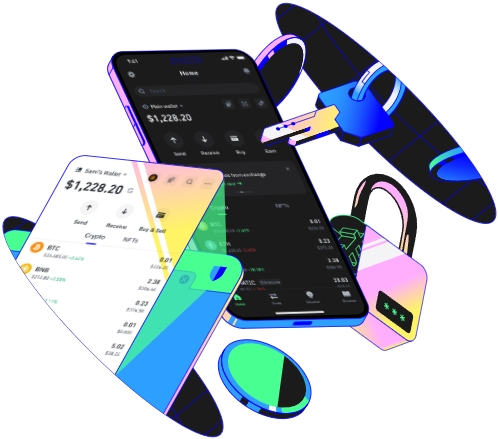
Trust Wallet launched in 2018 as a mobile-only crypto wallet, and it gained widespread recognition after being acquired by Binance in 2020—one of the largest and most respected crypto exchanges globally. This partnership alone is a major vote of confidence, as Binance has invested heavily in security and compliance over the years. Unlike centralized wallets held by exchanges, Trust Wallet is a non-custodial platform, meaning users control their own private keys and funds, not the company itself. Its open-source code is another key point: anyone can audit the code for vulnerabilities, which has helped it avoid major security breaches in its history. For example, in 2021, a minor vulnerability was discovered in its Solana integration, and the team patched it within 48 hours with no user funds lost. I’ve used Trust Wallet since 2020 to store small amounts of Ethereum and participate in DeFi projects, and I’ve never had issues with unauthorized access. It supports over 65 blockchains, including Ethereum, Binance Smart Chain, Solana, and Polygon, making it versatile for most crypto users. Binance’s support also means it integrates seamlessly with Binance’s decentralized exchange (DEX) and other services, making it easy for users to swap tokens without leaving the app.
Potential Red Flags That Raise Concerns About Trust Wallet
While Trust Wallet has many positive attributes, it’s not without risks that users must understand. The biggest red flag is the lack of official customer support for most issues—since it’s non-custodial, the team doesn’t hold user data, so they can’t help with lost funds or password resets. Last year, a friend of mine had his wallet restricted temporarily when he tried to send a large amount of BNB, and he spent three days searching Reddit and Discord for a solution before figuring out the problem on his own. Another major concern is the high volume of phishing attacks targeting Trust Wallet users. In 2023, crypto security firms recorded 127 scams involving fake Trust Wallet links, text messages, and emails, leading to over $2.3 million in total losses. For instance, many victims received texts saying, “Your Trust Wallet account is suspended—click here to verify,” with a link to a site that looked identical to the real one. When they entered their 12 or 24-word recovery phrase, their funds were immediately drained. Additionally, since there’s no KYC (Know Your Customer) process for using Trust Wallet, it can be a target for illegal activities like money laundering, though the wallet itself doesn’t facilitate that. The biggest personal story I have is from a colleague who stored his recovery phrase in his iPhone’s notes app; when his phone was stolen, the thief accessed the notes, transferred all his 15 ETH, and sold it within hours. This is a common mistake that users make, but it’s a risk tied directly to the wallet’s non-custodial design.
Practical Safety Tips to Use Trust Wallet Without Falling Scam Victims
To mitigate the risks and use Trust Wallet safely, follow these actionable steps. First, never store your 12 or 24-word recovery phrase on any digital device—write it down on a piece of paper and keep it in a secure, offline location, like a home safe. A friend of mine learned this the hard way when he saved his phrase to Google Drive and the cloud was hacked; he lost $40,000 worth of crypto. Second, always verify the domain you’re using: the official Trust Wallet site is trustwallet.com, and never click on links from unknown senders. If you need to access the wallet, type the URL directly into your browser to avoid fake sites. Third, when connecting to DeFi platforms or NFT marketplaces via Trust Wallet, double-check the contract address. Scammers often create fake platforms with nearly identical addresses—for example, changing one letter in the official Uniswap contract address to trick users. If you accidentally connect to a fake platform, revoke the permission immediately in Trust Wallet’s settings to prevent further fund transfers. Fourth, enable biometric authentication (Touch ID or Face ID) on your mobile device to add an extra layer of security; this means even if someone gets your phone, they can’t open the wallet without your unique biometrics. Finally, regularly review your transaction history in Trust Wallet to spot any unauthorized transfers quickly—most scams happen within minutes, so catching one early can save you thousands of dollars. By following these tips, you can leverage Trust Wallet’s convenience and accessibility without exposing your funds to avoidable risks.
TAG: