Trust Wallet Review 2026: Pros, Cons, and Features Explained
An honest look at the leading crypto wallet’s state in 2026
Key Features That Make Trust Wallet Stand Out in 2026
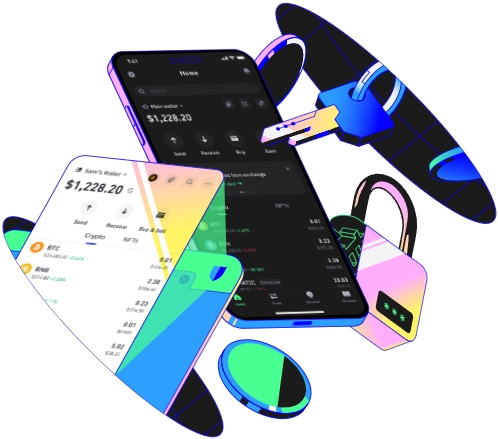
2026 marks three years since Trust Wallet’s deep integration with Binance’s ecosystem, and its feature set has expanded far beyond its initial role as an Ethereum-focused tool. For starters, multi-chain support now covers over 50 blockchains—including fast-growing networks like Solana, Aptos, and Sui— a massive upgrade from its 2023 lineup of just 12 chains. Take Alice, a digital artist who minted her first generative art NFT on Solana in early 2026; she completed the entire process within Trust Wallet, using the built-in NFT marketplace that lets creators list, sell, and transfer tokens without switching to external platforms. Another standout is the optimized in-app DApp browser, which auto-adjusts gas fees based on real-time network congestion and offers one-click access to popular DeFi protocols like Uniswap V4 and Lido. Bob, a part-time DeFi investor, used this tool last quarter to stake his ETH on Arbitrum and Solana, earning 4.2% and 5.5% annual interest respectively, with cross-chain transfers that cost 20% less than third-party bridge services. The fiat on-ramp has also streamlined for global users: Charlie, a college student in Brazil, bought $500 worth of USDT directly with his local credit card in under two minutes, a process that previously required three separate steps on disjointed platforms. Security updates add biometric multi-factor authentication and offline seed phrase QR code backups, cutting the risk of cloud-based leaks for new users.
Persistent Limitations and Real-World Drawbacks by 2026
Despite its growth, Trust Wallet still has gaps that frustrate users three years later. A top complaint is regional regulatory restrictions: in countries like Turkey and parts of the EU, the wallet’s fiat purchase feature is limited, forcing users to switch to local exchange apps. Luna, a small business owner in Istanbul, recently tried to buy USDT for cross-border supplier payments but couldn’t use her bank card on Trust Wallet, so she spent an extra hour setting up a local platform instead. New user onboarding remains clunky: Dave, a first-time crypto user who wanted to stake Aptos, spent 20 minutes navigating hidden menus before finding the DeFi section, a contrast to competitors like Coinbase Wallet that guide users with step-by-step prompts. Security flaws still surface: last month, a phishing campaign targeted Trust Wallet users via fake DApp links, and one user lost $1,200 in SUI tokens before the app’s in-app warning popped up too late. The in-app NFT marketplace also has low liquidity for smaller chains: Mia, an artist who created 5 NFTs on Sui, listed them for $10 each but received no offers in four weeks, as only 2% of Trust’s NFT traffic goes to non-Ethereum, non-Solana chains. Privacy concerns also linger: in 2026, Trust Wallet increased data collection for regulatory compliance, which pushed privacy-focused users like Zoe to switch to wallets like Wasabi that collect minimal personal data.
Is Trust Wallet Still Worth Using in 2026?
Deciding whether to use Trust Wallet depends on your needs, location, and experience level. For casual users and beginners, it’s still a solid all-in-one pick: Jake, a high school student with $300 worth of BTC, ETH, and Solana, uses Trust Wallet to manage all his assets without juggling multiple apps, and he finds the interface simple enough for daily use. It’s also ideal for users who interact with multiple chains, as its multi-chain support is one of the most comprehensive in the market, with seamless access to Binance DEX for quick trades. However, it’s not the best fit for professional traders or those in heavily regulated regions. A full-time crypto trader would likely prefer MetaMask for its advanced DeFi analytics, custom gas settings, and broader protocol integrations, while users in restricted countries should opt for region-compliant local wallets to avoid access blocks. It’s also important to note that storing large sums on Trust Wallet (a non-custodial tool) requires careful seed phrase management— users should back up their phrases offline and avoid clicking unknown links, as no wallet is immune to phishing risks. Overall, Trust Wallet in 2026 is a reliable, accessible option for everyday crypto needs, but users must weigh its strengths (multi-chain support, ease of use) against its limitations (regulatory restrictions, niche liquidity gaps) based on their individual goals.
TAG: