Does Trust Wallet Have Access to Your Private Keys?
Unveiling the Truth about Trust Wallet's Key Access
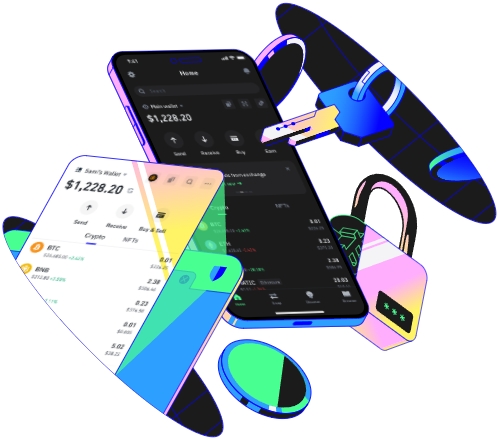
Trust Wallet is a well - known cryptocurrency wallet that has gained popularity among users for its user - friendly interface and wide range of supported tokens. One of the most critical concerns for cryptocurrency users is the security of their private keys. Private keys are like the keys to a digital vault, giving access to one's cryptocurrency holdings. So, does Trust Wallet have access to your private keys?
How Trust Wallet Handles Private Keys
Trust Wallet is a non - custodial wallet. This means that the wallet does not hold or have access to users' private keys. When you create a wallet in Trust Wallet, the private keys are generated and stored locally on your device. For example, if you're using an Android or iOS device to set up your Trust Wallet, the private keys are encrypted and saved within the wallet app on that specific device.
The user is the sole custodian of their private keys. This setup provides a high level of security because it reduces the risk of a single point of failure. If Trust Wallet were a custodial wallet, it would have control over the private keys, and in case of a security breach at the wallet provider, users' funds could be at risk. With a non - custodial model, even if Trust Wallet's servers were to be compromised, the private keys would remain safe on users' devices.
User - Controlled Key Management
Users have full control over their private keys in Trust Wallet. They are presented with a 12 - or 24 - word recovery phrase during the wallet setup. This recovery phrase is directly linked to the private keys. For instance, if a user loses their device, they can use this recovery phrase to restore their wallet on a new device, and the same private keys will be regenerated.
This system empowers users to manage their funds independently. They can transfer, receive, and store cryptocurrencies without relying on a third - party to hold their keys. However, it also places a significant responsibility on the users. If they lose their recovery phrase, they may permanently lose access to their funds. And if the recovery phrase is stolen, an attacker can gain control of the wallet.
Security Measures and Assurance
Trust Wallet has implemented several security measures to protect the private keys. The app uses strong encryption algorithms to safeguard the keys stored on the device. Additionally, it offers features like biometric authentication (such as fingerprint or face ID) to add an extra layer of security.
For example, when a user tries to perform a transaction, they may need to use biometric authentication to confirm the action. This ensures that only the authorized user can access and use the private keys. Moreover, Trust Wallet regularly updates its security protocols to address emerging threats and vulnerabilities, further assuring users that their private keys are well - protected.
In conclusion, Trust Wallet does not have access to your private keys. It operates on a non - custodial model, giving users full control over their key management. While this offers many security benefits, users must also take responsibility for safeguarding their recovery phrases to ensure the safety of their cryptocurrency holdings.
TAG: