Does Trust Wallet Own Your Cryptocurrency?
Understanding Ownership in Trust Wallet
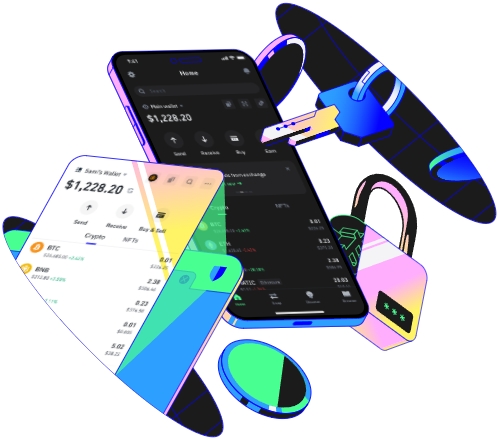
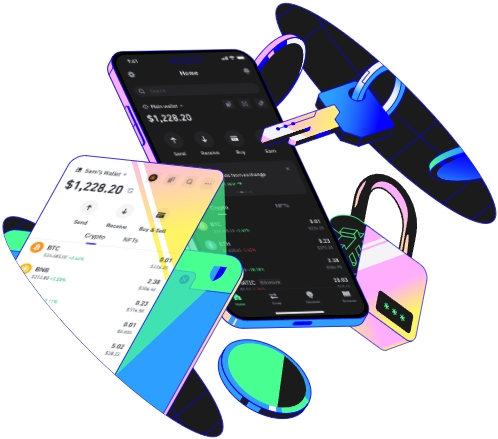
In the world of cryptocurrency, the question of whether Trust Wallet owns your digital assets is a crucial one. Trust Wallet is a popular cryptocurrency wallet that allows users to store, send, and receive various cryptocurrencies. However, it's essential to clarify that Trust Wallet does not own your cryptocurrency.
How Cryptocurrency Ownership Works
Cryptocurrency ownership is based on the concept of private keys. A private key is a unique string of characters that gives you control over your digital assets. When you create a wallet on Trust Wallet, you are provided with a set of recovery phrases and a private key. These are like the keys to your digital safe. As long as you keep your private key secure and don't share it with anyone, you are the sole owner of your cryptocurrency.
For example, if you have Bitcoin stored in your Trust Wallet, the Bitcoin is not held by Trust Wallet itself. Instead, it exists on the Bitcoin blockchain, and you have the authority to access and transfer it using your private key. Trust Wallet acts as a tool to interact with the blockchain, making it easier for you to manage your assets, but it does not have any claim to your funds.
Trust Wallet's Role and Security
Trust Wallet plays a significant role in providing a secure environment for storing your cryptocurrency. It uses advanced security measures to protect your private key and transaction data. The wallet is designed to be non - custodial, which means that the company behind Trust Wallet does not have access to your private keys. This is a fundamental difference from custodial wallets, where the wallet provider holds your private keys on your behalf.
For instance, some centralized exchanges act as custodial wallets. If you store your cryptocurrency on an exchange, the exchange has control over your funds, and there is a risk of the exchange being hacked or going bankrupt. In contrast, with Trust Wallet, you are in full control. You can choose to use additional security features like biometric authentication or two - factor authentication to further safeguard your wallet.
User Responsibility and Best Practices
While Trust Wallet provides a secure platform, users also have a responsibility to protect their cryptocurrency. This includes keeping their recovery phrases and private keys safe. If you lose your recovery phrases, it may be impossible to access your funds. Additionally, you should be cautious when interacting with other parties on the blockchain.
For example, phishing scams are common in the cryptocurrency space. Hackers may try to trick you into revealing your private key or recovery phrases. To avoid this, always double - check the URLs of the websites you visit and never share sensitive information with anyone. By following these best practices, you can ensure that you remain the true owner of your cryptocurrency in Trust Wallet.
In conclusion, Trust Wallet does not own your cryptocurrency. It is a non - custodial wallet that empowers you to be the owner and controller of your digital assets. As long as you take the necessary precautions to protect your private key, you can safely use Trust Wallet to manage your cryptocurrency portfolio.
TAG: