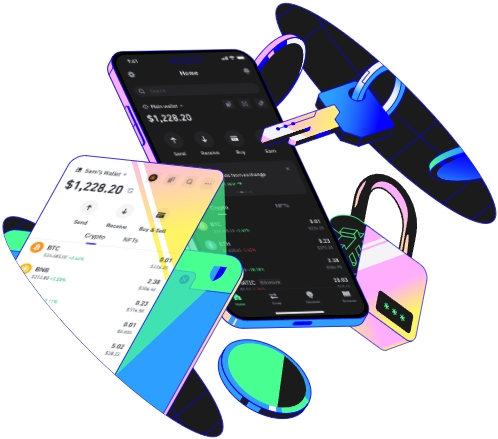
Is Trust Wallet a Hot Wallet or Cold Wallet?
Understanding the Nature of Trust Wallet
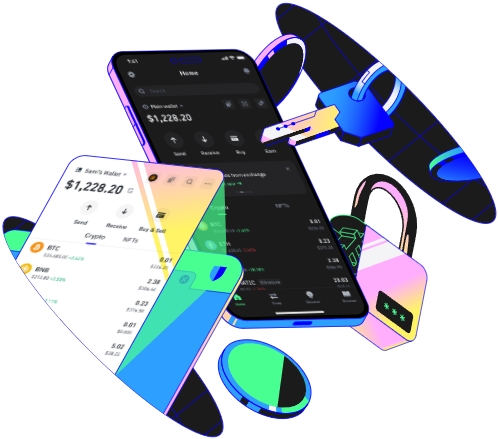
When delving into the world of cryptocurrency wallets, one question that often arises is whether Trust Wallet is a hot wallet or a cold wallet. This distinction is crucial for users as it impacts the security and accessibility of their digital assets. To understand this, we first need to clarify the definitions of hot and cold wallets.
Defining Hot and Cold Wallets
A hot wallet is connected to the internet, which allows for easy and quick access to cryptocurrencies. It is ideal for frequent trading, making payments, or simply checking balances. Popular examples of hot wallets include mobile wallets and web - based wallets. On the other hand, a cold wallet is offline, providing a higher level of security. Cold wallets are typically hardware devices or paper wallets. They are best suited for long - term storage of large amounts of cryptocurrency, as they are less vulnerable to online threats such as hacking and phishing attacks.
For instance, Coinbase Wallet is a well - known hot wallet. It enables users to buy, sell, and store various cryptocurrencies with just a few taps on their mobile devices. In contrast, Ledger Nano S is a popular cold wallet. It stores private keys offline, protecting users' funds from potential online breaches.
Characteristics of Trust Wallet
Trust Wallet is a mobile wallet, which means it falls into the category of hot wallets. It is available for iOS and Android devices, allowing users to carry it with them wherever they go. The wallet supports a wide range of cryptocurrencies, including Bitcoin, Ethereum, and many ERC - 20 tokens. This makes it convenient for users to manage multiple digital assets in one place.
One of the significant advantages of Trust Wallet is its user - friendly interface. Newcomers to the cryptocurrency space can easily navigate through the wallet and perform tasks such as sending and receiving funds. Moreover, it integrates with decentralized applications (dApps), enabling users to interact with the decentralized finance (DeFi) ecosystem. For example, users can participate in yield farming or swap tokens directly from their Trust Wallet.
Security Considerations
While Trust Wallet is a hot wallet, it still takes several security measures to protect users' funds. It uses secure encryption algorithms to safeguard private keys. Additionally, users have full control over their private keys, which means they are not stored on a central server. This reduces the risk of a single - point - of - failure attack.
However, it's important to note that since Trust Wallet is connected to the internet, it is not immune to certain risks. Malicious actors may attempt to gain access to the wallet through phishing scams or malware. To mitigate these risks, users should be vigilant about the sources of information they trust, avoid clicking on suspicious links, and keep their mobile devices updated with the latest security patches.
In conclusion, Trust Wallet is a hot wallet. Its convenience and accessibility make it a popular choice for many cryptocurrency users, especially those who are actively involved in trading and using DeFi applications. But users must also be aware of the associated security risks and take appropriate precautions to protect their digital assets.
TAG: