Trust Wallet USDT ERC20 vs TRC20 vs BEP20
Understand the Differences of USDT Standards
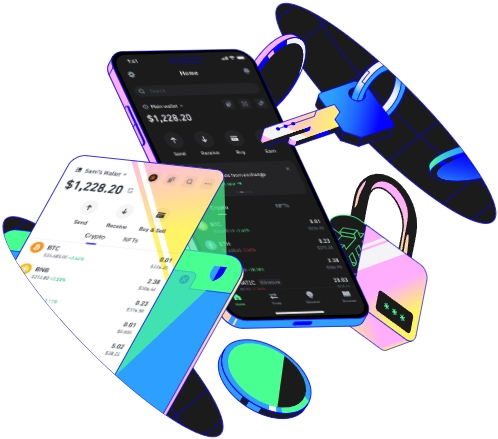
Trust Wallet, a well - known cryptocurrency wallet, supports various versions of USDT, namely ERC20, TRC20, and BEP20. Each has its unique features, and understanding these differences is crucial for users.
USDT ERC20: Ethereum - Based Standard
USDT ERC20 is built on the Ethereum blockchain. One of its key features is the wide - spread adoption within the Ethereum ecosystem. Since Ethereum is a pioneer in smart contracts, many decentralized applications (dApps) and decentralized finance (DeFi) platforms are compatible with ERC20 tokens. For example, if you want to participate in a lending protocol on Aave, you can use your USDT ERC20 tokens.
However, the Ethereum network has some drawbacks. High gas fees are a common issue, especially during periods of high network congestion. When transferring USDT ERC20, users may have to pay a significant amount in fees. For instance, during the peak of the DeFi summer in 2020, the gas fees for simple USDT ERC20 transfers could reach tens of dollars, which was a burden for small - scale traders.
USDT TRC20: TRON - Powered Standard
USDT TRC20 operates on the TRON blockchain. One major advantage of TRC20 is its low - cost and fast - speed transactions. The TRON network is designed to handle a large number of transactions efficiently, with minimal fees. For example, a regular USDT TRC20 transfer can be completed within seconds, and the fee is often less than a cent. This makes it very popular for micro - transactions and for users who need to move funds quickly.
But the TRC20 standard also has its limitations. The TRON ecosystem is relatively smaller compared to Ethereum. Although it has been growing steadily, there are fewer dApps and DeFi projects that support USDT TRC20. So, if a user wants to access a wide range of DeFi services, they may find the options somewhat restricted.
USDT BEP20: Binance Smart Chain Standard
USDT BEP20 is based on the Binance Smart Chain (BSC). BSC has gained popularity due to its high - performance and low - cost nature. Similar to TRON, the transaction fees on the Binance Smart Chain are quite low, and transactions are processed rapidly. Many popular DeFi projects, such as PancakeSwap, support USDT BEP20. Users can farm, swap, and lend USDT BEP20 tokens with relatively low costs.
However, there are concerns regarding centralization. Binance, the entity behind BSC, has a significant influence on the network. This has led to some debates within the cryptocurrency community, as decentralization is one of the core principles of blockchain technology. Some users may be hesitant to use USDT BEP20 due to these centralization concerns.
In conclusion, when choosing between USDT ERC20, TRC20, and BEP20 in Trust Wallet, users need to consider their specific needs. If they want to access a wide range of DeFi services on a well - established ecosystem, ERC20 might be the choice. For those who prioritize low - cost and fast - speed transactions, TRC20 or BEP20 could be better options. But they also need to be aware of the potential limitations of each standard.
TAG:
