Trust Wallet Private Key Explained for Beginners
A Beginner's Guide to Trust Wallet Private Keys
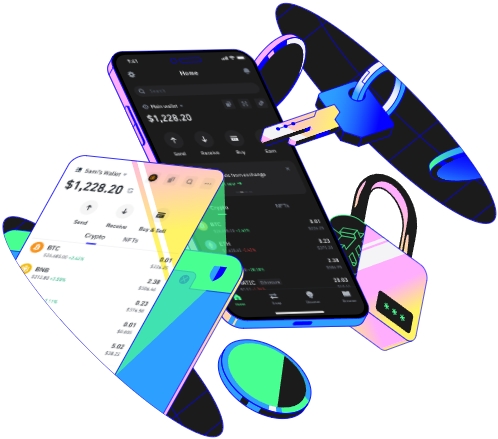
Trust Wallet is a popular cryptocurrency wallet that offers users a secure and convenient way to manage their digital assets. One of the most crucial aspects of using Trust Wallet is understanding private keys. In this article, we'll break down what Trust Wallet private keys are, why they're important, and how to manage them safely.
What is a Trust Wallet Private Key?
A private key in Trust Wallet is a unique, secret code that serves as the ultimate key to your cryptocurrency funds. It's a long string of numbers and letters, typically around 64 characters long. Think of it like a password that gives you exclusive access to your digital wallet. Without the correct private key, no one, not even the wallet provider, can access or transfer the funds stored in your Trust Wallet.
For example, let's say you have some Bitcoin in your Trust Wallet. To send that Bitcoin to another wallet, you need to use your private key to sign the transaction. This cryptographic signature proves that you're the rightful owner of the funds and authorizes the transfer. Just as a physical key unlocks a door, a private key unlocks your cryptocurrency holdings.
Why are Trust Wallet Private Keys Important?
Private keys are the foundation of security and ownership in the world of cryptocurrency. They give you full control over your funds. Unlike traditional bank accounts, where a bank can freeze or restrict your access, with a private key, you're the sole decision - maker.
However, this also means that if you lose your private key, you lose access to your funds forever. There's no customer service hotline to call to reset your password. For instance, there have been cases where users accidentally deleted their private key backups or lost the piece of paper where they wrote it down. As a result, they were unable to retrieve their valuable cryptocurrency holdings, which could be worth thousands or even millions of dollars.
How to Safely Manage Your Trust Wallet Private Key?
First and foremost, never share your private key with anyone. Whether it's through email, social media, or in person, keeping your private key secret is non - negotiable. If someone else gets hold of your private key, they can steal all your funds.
Secondly, make multiple secure backups of your private key. You can write it down on a piece of paper and store it in a safe place like a home safe or a safety deposit box at a bank. You can also use a metal wallet, which is designed to withstand fire, water, and other disasters.
Lastly, be cautious when using your private key on different devices. Only access your wallet from trusted devices and avoid using public Wi - Fi when making transactions. If your device is compromised, hackers could potentially steal your private key and access your funds.
In conclusion, understanding and properly managing your Trust Wallet private key is essential for anyone using the wallet. By following these guidelines, you can ensure the security of your digital assets and enjoy the benefits of using cryptocurrency with peace of mind.
TAG: