Trust Wallet Trading Tool vs Exchange Trading Pros and Cons
Weighing the Pros and Cons of Two Trading Options
In the dynamic world of cryptocurrency trading, two prominent methods stand out: using a Trust Wallet trading tool and engaging in exchange trading. Each approach comes with its own set of advantages and disadvantages, which traders need to carefully consider based on their trading goals, risk tolerance, and experience level. Let's delve into the details and compare these two trading methods.
Advantages of Trust Wallet Trading Tool
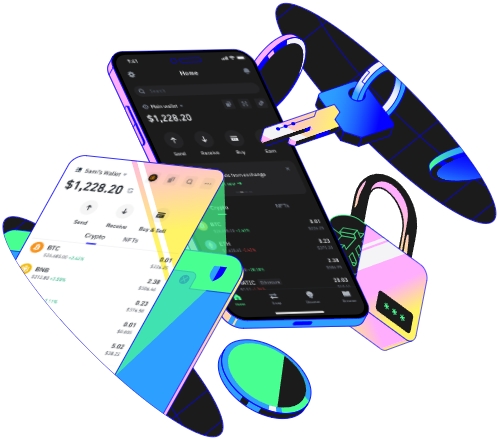
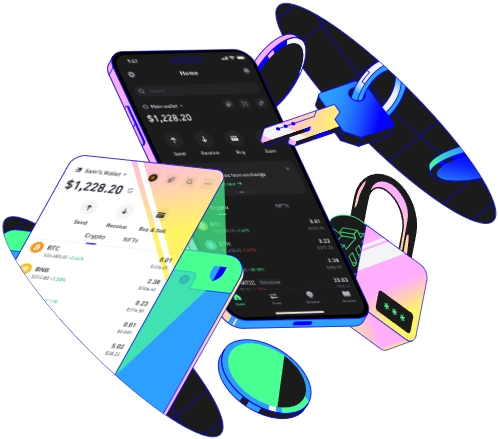
One of the most significant benefits of using a Trust Wallet trading tool is its high level of convenience. Trust Wallet is a self - custody wallet that allows users to manage their funds directly from their mobile devices. For example, a busy professional can trade cryptocurrencies during their commute or breaks. This on - the - go accessibility is a major plus for those who don't have the time to sit in front of a computer all day.
Another advantage is the emphasis on privacy. Trust Wallet gives users full control over their private keys, which means that they can trade without having to share excessive personal information. Unlike some exchanges that require extensive KYC (Know Your Customer) processes, a user can maintain a higher level of anonymity while trading through the wallet. This is appealing to privacy - conscious traders who are wary of potential data breaches on large exchanges.
Trust Wallet also offers seamless integration with decentralized finance (DeFi) platforms. Traders can easily access various DeFi protocols such as lending, borrowing, and yield farming directly from their wallets. For instance, they can stake their tokens in a liquidity pool on a DeFi platform through Trust Wallet, potentially earning additional rewards.
Disadvantages of Trust Wallet Trading Tool
However, Trust Wallet trading has its limitations. One of the main drawbacks is the relatively limited number of trading pairs compared to large - scale exchanges. While major cryptocurrencies like Bitcoin and Ethereum are well - supported, some of the more niche or newly launched tokens may not be available for trading within the wallet. This can be a hindrance for traders who want to diversify their portfolios with a wide range of digital assets.
Another issue is the lack of advanced trading features. Trust Wallet is more focused on basic trading functions. For sophisticated traders who rely on features like margin trading, stop - loss orders with complex conditions, and advanced charting tools, the wallet may not provide sufficient functionality. For example, a professional day trader who uses advanced technical analysis to make trading decisions may find the trading tools in Trust Wallet too simplistic.
Advantages of Exchange Trading
Exchanges, especially well - established ones, offer a vast selection of trading pairs. For example, Binance, one of the largest cryptocurrency exchanges in the world, lists thousands of different cryptocurrencies. This gives traders the opportunity to invest in a diverse range of digital assets, allowing them to spread their risk and potentially find high - growth tokens.
Exchanges also come equipped with advanced trading features. They offer a variety of order types, including market orders, limit orders, stop orders, and more. Additionally, many exchanges provide in - depth charting tools with a wide range of technical indicators. These features are invaluable for experienced traders who use technical and fundamental analysis to inform their trading strategies.
Furthermore, exchanges often have better liquidity. High liquidity means that traders can buy or sell large amounts of a cryptocurrency without significantly affecting the market price. This is crucial for institutional investors and large - scale traders who need to execute large trades efficiently.
Disadvantages of Exchange Trading
On the flip side, exchanges pose some security risks. Centralized exchanges are prime targets for hackers due to the large amounts of cryptocurrency they hold. There have been several high - profile exchange hacks in the past, such as the Mt. Gox incident in 2014, where hundreds of thousands of Bitcoins were stolen. This can result in significant losses for traders who store their funds on an exchange.
Exchanges also typically have more complex regulatory requirements. The KYC and AML (Anti - Money Laundering) procedures can be time - consuming and invasive. Some users may find the extensive documentation and identity verification process cumbersome, and in some cases, may even be restricted from using the exchange due to regulatory reasons in their jurisdiction.
In conclusion, both Trust Wallet trading tools and exchange trading have their own unique pros and cons. Traders need to evaluate their individual needs and preferences to determine which approach suits them best. Whether it's the convenience and privacy of Trust Wallet or the wide range of assets and advanced features of exchanges, the choice can significantly impact a trader's cryptocurrency trading experience.
TAG: