Trust Wallet 2026 Full Review: Fees, Security, KYC and Features
An In - depth Look at Trust Wallet's 2026 Landscape
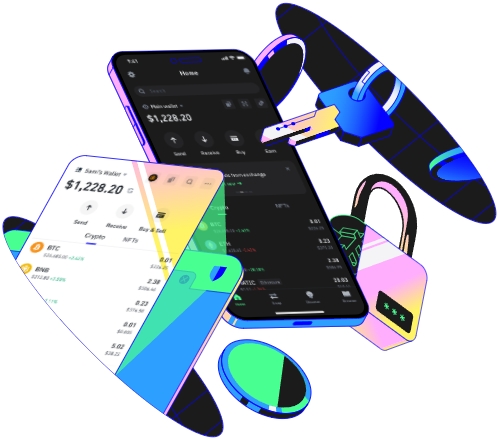
Trust Wallet has been a prominent name in the cryptocurrency wallet space, and as we step into 2026, it's essential to conduct a thorough review of its fees, security, KYC requirements, and features. Let's start by examining the fee structure.
Fees
Trust Wallet's fee system in 2026 is designed to be user - friendly and competitive. For basic transactions like sending and receiving cryptocurrencies, the fees are relatively low compared to many other wallets. For example, when transferring Bitcoin, the network fee is determined by the Bitcoin network itself, but Trust Wallet doesn't add any additional significant mark - up. This is a huge advantage for users as they can save on costs when making transactions.
When it comes to trading within the wallet, Trust Wallet offers a seamless experience with reasonable fees. The decentralized exchange (DEX) integrated into the wallet has a fee structure that is in line with industry standards. For instance, on the Uniswap - like DEX within Trust Wallet, the trading fee is around 0.3% per swap. This is similar to what you'd find on the standalone Uniswap platform, making it an attractive option for traders who want to execute trades directly from their wallet.
Another aspect of fees is related to staking. Trust Wallet allows users to stake various cryptocurrencies, and the fees associated with staking are quite transparent. For example, when staking Ethereum 2.0, there are no hidden fees. The only cost is the network gas fee required to initiate the staking process, which is standard across the Ethereum ecosystem.
Security is of utmost importance in the cryptocurrency world, and Trust Wallet has taken significant steps to ensure the safety of its users' funds in 2026.
One of the key security features is the use of multi - signature technology. This means that multiple private keys are required to authorize a transaction. For example, if a user sets up a multi - sig wallet for their business or high - value assets, they can assign different keys to different individuals or devices. This adds an extra layer of protection as it becomes much more difficult for a hacker to gain access to all the necessary keys.
Trust Wallet also employs state - of the - art encryption techniques. All data stored in the wallet, including private keys and transaction history, is encrypted using advanced algorithms. This ensures that even if a hacker manages to gain access to the device, they won't be able to decipher the sensitive information.
Furthermore, the wallet has a built - in anti - phishing mechanism. It can detect and block phishing websites that try to steal users' login credentials. For instance, if a user accidentally tries to access a fake Trust Wallet website, the wallet will alert them and prevent them from entering their information.
KYC (Know Your Customer) requirements are an important part of the regulatory landscape in the cryptocurrency industry, and Trust Wallet has adapted to these requirements in 2026.
Trust Wallet's KYC process is relatively straightforward. When a user wants to access certain advanced features, such as high - volume trading or using fiat - on - ramp services, they are required to complete the KYC process. The process involves providing basic personal information, such as name, address, and a valid government - issued ID. Once the information is verified, the user can enjoy the additional services.
However, for users who only want to use the wallet for basic functions like storing and sending cryptocurrencies, they can do so without going through the KYC process. This provides a balance between regulatory compliance and user privacy.
Finally, let's explore the features of Trust Wallet in 2026. The wallet supports a wide range of cryptocurrencies, including Bitcoin, Ethereum, and many altcoins. It also has a built - in portfolio tracker that allows users to monitor the value of their holdings in real - time.
The user interface is intuitive and easy to navigate. Whether you're a beginner or an experienced cryptocurrency user, you can quickly find the functions you need. For example, the process of sending and receiving cryptocurrencies is as simple as a few taps on the screen.
Trust Wallet also offers a mobile - first experience, which is crucial in today's digital age. The mobile app is available on both iOS and Android platforms, and it provides all the features of the desktop version. This allows users to manage their cryptocurrency assets on the go.
In conclusion, Trust Wallet in 2026 offers a well - rounded package with low fees, robust security, flexible KYC options, and a variety of useful features. Whether you're a casual cryptocurrency holder or an active trader, Trust Wallet is a wallet worth considering.
TAG: