Trust Wallet Hot Wallet Risks vs Hardware Wallet Safety
An In - depth Look at Crypto Wallet Security
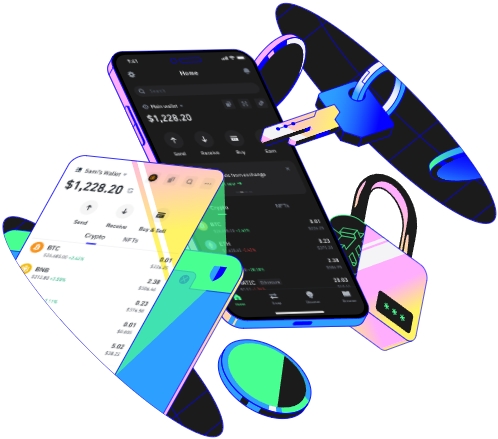
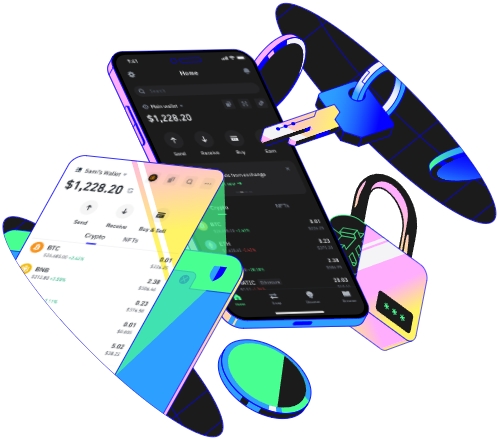
In the dynamic realm of cryptocurrency, the choice of wallet is a critical decision that directly impacts the security of one's digital assets. Trust Wallet, a well - known hot wallet, and hardware wallets, represent two distinct approaches to storing cryptocurrencies, each with their own set of characteristics in terms of risk and safety.
Trust Wallet Hot Wallet Risks
Trust Wallet is a popular hot wallet, which means it is connected to the internet. This connectivity, while offering convenience, exposes users to several risks. One of the most significant risks is the threat of hacking. Cybercriminals are constantly on the hunt for vulnerabilities in hot wallet software. For example, in 2018, a major cryptocurrency exchange's hot wallet was hacked, resulting in the theft of millions of dollars' worth of digital assets. Although Trust Wallet is not an exchange, the same principles of hot wallet security apply. Hackers can use malware, phishing attacks, or exploit software bugs to gain unauthorized access to a user's Trust Wallet.
Another risk associated with Trust Wallet is human error. Since it is often used on mobile devices, users may accidentally click on malicious links or download fake apps that mimic Trust Wallet. This can lead to the leakage of private keys, which are essential for accessing and managing cryptocurrency. For instance, a user might receive a phishing email claiming to be from Trust Wallet and asking them to enter their private key for security reasons. If the user complies, they lose control over their funds.
Moreover, the reliance on the service provider is a concern. If Trust Wallet experiences technical difficulties, such as a server outage or a software glitch, users may face problems accessing their funds. There is also the potential for the service provider to change its policies, which could affect users negatively. For example, new regulations might force the wallet provider to implement stricter verification procedures, causing inconvenience to users.
Additionally, hot wallets are more susceptible to social engineering attacks. Scammers can manipulate users into revealing their wallet information through various means, like posing as customer support representatives. Once they obtain the necessary details, they can transfer the funds out of the wallet.
Hardware Wallet Safety
Hardware wallets, on the other hand, offer a much higher level of security. These physical devices store users' private keys offline, away from the potential threats of the internet. This offline storage is a significant advantage as it eliminates the risk of remote hacking. For example, Ledger and Trezor are two well - known hardware wallet brands. Their devices use secure chips to store private keys, making it extremely difficult for hackers to access them.
Hardware wallets also provide an extra layer of protection through the use of PIN codes and recovery phrases. When a user wants to make a transaction, they need to enter their PIN on the device. This ensures that only the owner can authorize transactions. The recovery phrase, usually a series of 12 - 24 words, can be used to restore the wallet in case the device is lost or damaged. As long as the user keeps this phrase secure, they can always regain access to their funds.
Another aspect of hardware wallet safety is the ability to verify transactions on the device itself. Before confirming a transaction, the hardware wallet displays the details of the transaction, such as the recipient's address and the amount being sent. This allows the user to double - check and ensure that the transaction is legitimate, reducing the risk of sending funds to the wrong address or falling victim to a fraudulent transaction.
Hardware wallets are also less affected by human - error - related risks. Since they are physical devices, the chances of accidentally downloading a malicious app or clicking on a phishing link are significantly reduced. Even if the user's computer or mobile device is infected with malware, the hardware wallet remains secure as it is not directly connected to the compromised device during normal operation.
In conclusion, while Trust Wallet offers convenience for day - to - day cryptocurrency transactions, it comes with a range of risks due to its hot wallet nature. Hardware wallets, with their offline storage and multiple security features, provide a much safer option for long - term storage of significant cryptocurrency holdings. When choosing a wallet, users should carefully consider their own needs and the level of security they require.
TAG: