Trust Wallet End-to-End Encryption Mechanism Explained
How Trust Wallet Keeps Your Data Secure
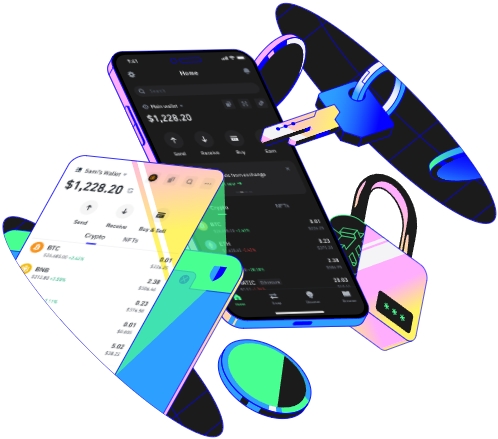
Trust Wallet is a well - known cryptocurrency wallet that places a high emphasis on user security. One of its most crucial features is the end - to - end encryption mechanism, which plays a vital role in protecting users' digital assets and personal information.
End - to - end encryption is a security measure that ensures only the sender and the intended recipient can access the data being transmitted. In the context of Trust Wallet, this means that the user's private keys, transaction details, and other sensitive information are encrypted in such a way that even if the data is intercepted during transmission, it remains unreadable to unauthorized parties.
How the Encryption Works
At the core of Trust Wallet's end - to - end encryption is the use of advanced cryptographic algorithms. When a user creates a wallet on Trust Wallet, a unique set of keys is generated. The private key is the most important part, as it is used to sign transactions and prove ownership of the cryptocurrency. This private key is encrypted using a strong encryption algorithm, such as AES (Advanced Encryption Standard). AES is widely recognized as a highly secure algorithm and is used by governments and large organizations around the world to protect sensitive data.
When a user initiates a transaction, the transaction details are also encrypted. The wallet first encrypts the data on the user's device. This means that the data is transformed into an unreadable format before it leaves the user's phone or computer. The encrypted data is then sent over the network. On the receiving end, the intended recipient's wallet uses the corresponding decryption key to convert the encrypted data back into its original form.
For example, let's say Alice wants to send some Bitcoin to Bob using Trust Wallet. Alice's wallet encrypts the transaction details, including the amount of Bitcoin and Bob's wallet address. The encrypted data is then sent through the blockchain network. When the data reaches Bob's wallet, his wallet uses the appropriate decryption key to read the transaction details and complete the transfer. Even if a hacker manages to intercept the data during transmission, they will only see a jumbled mess of characters because they do not have the decryption key.
Trust Wallet also uses multi - factor authentication in conjunction with end - to - end encryption. This adds an extra layer of security. For instance, a user may need to enter a PIN code or use biometric authentication, such as fingerprint or face recognition, to access their wallet. This ensures that even if someone manages to obtain the user's device, they still cannot access the wallet without the additional authentication factors.
Another important aspect of Trust Wallet's encryption mechanism is key management. The wallet ensures that the private keys are stored securely on the user's device. It does not rely on a central server to store these keys, which reduces the risk of a single - point - of - failure. If a central server were to be hacked, all the users' private keys stored on it could be compromised. By storing the keys locally, Trust Wallet gives users more control over their own security.
Moreover, Trust Wallet regularly updates its encryption protocols to stay ahead of emerging security threats. As new vulnerabilities are discovered in cryptographic algorithms, the wallet developers work quickly to patch them and implement more secure encryption methods. This proactive approach to security helps to ensure that users' data remains protected in an ever - evolving digital landscape.
In conclusion, Trust Wallet's end - to - end encryption mechanism is a comprehensive security solution that combines advanced cryptographic algorithms, multi - factor authentication, and secure key management. By using these techniques, Trust Wallet provides users with a high level of security and peace of mind when it comes to managing their cryptocurrency assets.
TAG: