Complete Guide to Trust Wallet In-App Trading
Everything You Need to Know about In-App Trading
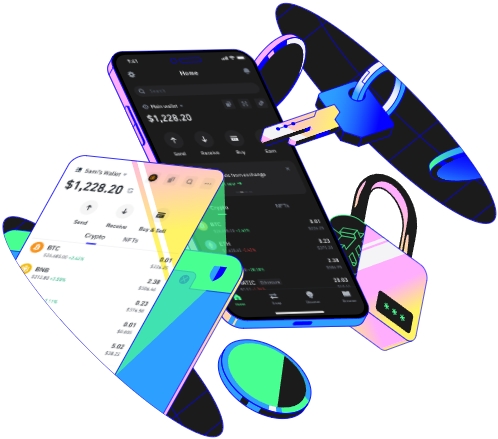
Trust Wallet has emerged as a leading cryptocurrency wallet, offering a seamless and secure platform for users to manage their digital assets. One of its standout features is the in - app trading functionality, which allows users to trade cryptocurrencies without leaving the wallet. This guide will take you through every aspect of Trust Wallet in - app trading.
Setting Up for In - App Trading
Before you start trading, you need to set up your Trust Wallet properly. First, download the Trust Wallet app from the official app store for your device (iOS or Android). Once installed, create a new wallet or import an existing one. You will need to securely store your recovery phrase, which is a series of 12 or 24 words. This phrase is crucial as it can be used to restore your wallet in case of device loss or damage.
Next, fund your wallet. Trust Wallet supports a wide range of cryptocurrencies. You can transfer funds from an exchange or another wallet. For example, if you have Bitcoin on a centralized exchange, you can withdraw it to your Trust Wallet by copying your Bitcoin wallet address from the app and pasting it into the withdrawal section of the exchange.
Once your wallet is funded, you are ready to start trading. Navigate to the trading section within the app. Here, you will see a list of available trading pairs. The most common pairs include Bitcoin (BTC) to Ethereum (ETH), or stablecoins like Tether (USDT) to other altcoins.
When choosing a trading pair, consider market trends and your investment goals. For instance, if you believe that the price of a particular altcoin is going to increase relative to Bitcoin, you might want to trade Bitcoin for that altcoin.
Before executing a trade, it's essential to understand the fees associated with in - app trading on Trust Wallet. There are typically network fees for the blockchain transactions and sometimes a small trading fee. These fees can vary depending on the blockchain network's congestion and the trading volume.
To ensure the best trading experience, keep an eye on the price charts within the app. Trust Wallet provides basic charting tools that allow you to view price movements over different time frames, such as 1 hour, 1 day, 1 week, or even longer. Analyzing these charts can help you make more informed trading decisions.
Let's say you notice that the price of Litecoin (LTC) has been steadily increasing against Bitcoin over the past few days. Based on this trend, you might decide to trade some of your Bitcoin for Litecoin in the hope of making a profit if the upward trend continues.
Another important aspect is security. Trust Wallet uses state - of - the - art security measures to protect your funds. However, you should also enable additional security features like two - factor authentication (2FA) if available. This adds an extra layer of protection to your account and helps prevent unauthorized access.
After you have completed a trade, you can track the status of your transaction within the app. You will see details such as the transaction ID, the amount of cryptocurrency traded, and the time of the trade. This transparency allows you to monitor your trading activities effectively.
In conclusion, Trust Wallet's in - app trading offers a convenient and secure way to trade cryptocurrencies. By following the steps outlined in this guide, setting up your wallet correctly, understanding trading pairs and fees, analyzing price charts, and prioritizing security, you can make the most of this powerful feature.
TAG: